What a Bathroom Remodel Process Looks Like in New Jersey
What Union and Somerset County homeowners should expect..
For many New Jersey homeowners, the idea of a bathroom remodel feels overwhelming. Not because they don’t want the upgrade, but because they are unsure what the process looks like.
A bathroom remodel does not have to be confusing or stressful.
When homeowners understand the steps involved, planning becomes much easier.
For homes in Union County and Somerset County, clear expectations are key to a smooth bathroom remodel.
Why Understanding the Process Matters
Bathroom remodels affect daily routines. Knowing what happens and when helps homeowners plan ahead and avoid unnecessary stress.
Understanding the process helps:
-Set realistic expectations
-Reduce surprises
-Improve communication
-Keep the project moving smoothly
Many homeowners in towns like Westfield, Fanwood, Bridgewater, and Warren delay remodeling simply because they don’t know what to expect.
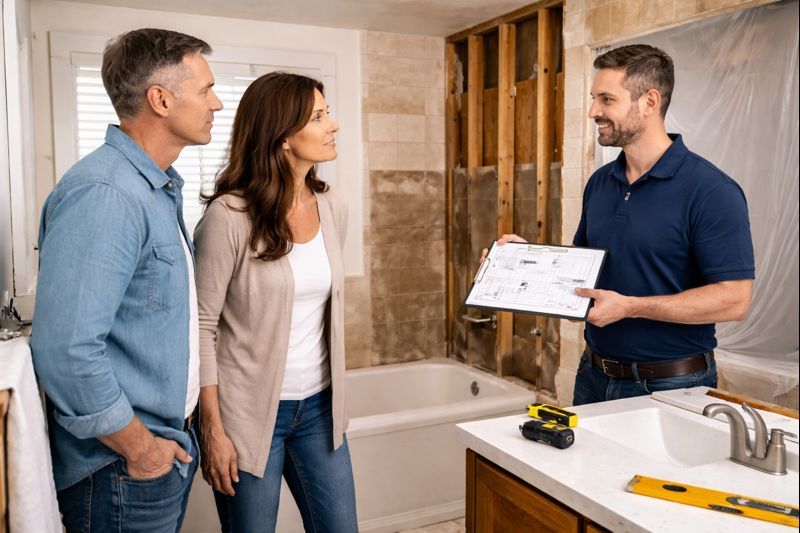
Step One: Initial Planning and Evaluation
The process starts with understanding the existing bathroom.
This includes:
-Reviewing the current layout
-Identifying problem areas
-Discussing goals and priorities
-Determining whether a partial or full remodel makes sense
-This step helps homeowners clarify what they want to improve and what can stay the same.
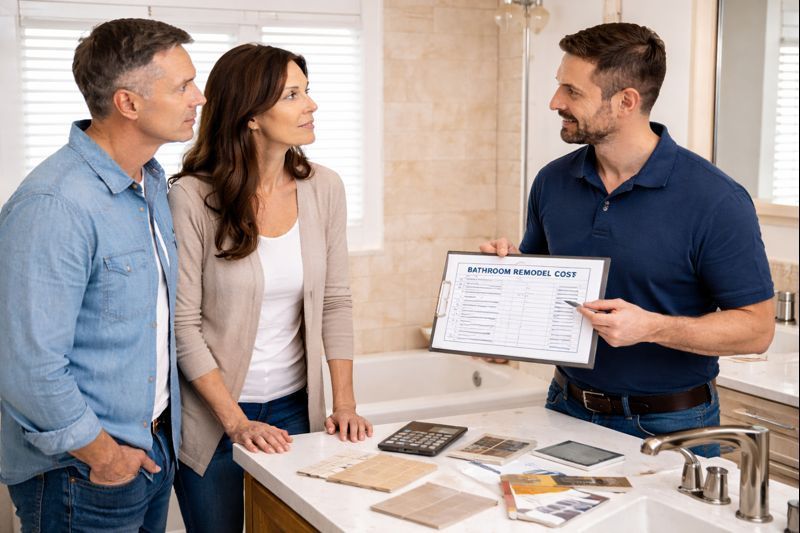
Step Two: Design and Material Selection
Once goals are clear, design decisions are made.
Homeowners typically choose:
-Layout adjustments (if needed)
-Tub or shower style
-Tile and wall finishes
-Vanity and storage options
-Fixtures and lighting
-This stage is important because it shapes how the finished bathroom will look and function.
Step Three: Preparation and Scheduling
Before work begins, preparation takes place.
This may include:
-Ordering materials
-Scheduling work
-Protecting nearby areas of the home
-Clear scheduling helps homeowners plan around daily routines, especially in homes with only one bathroom.
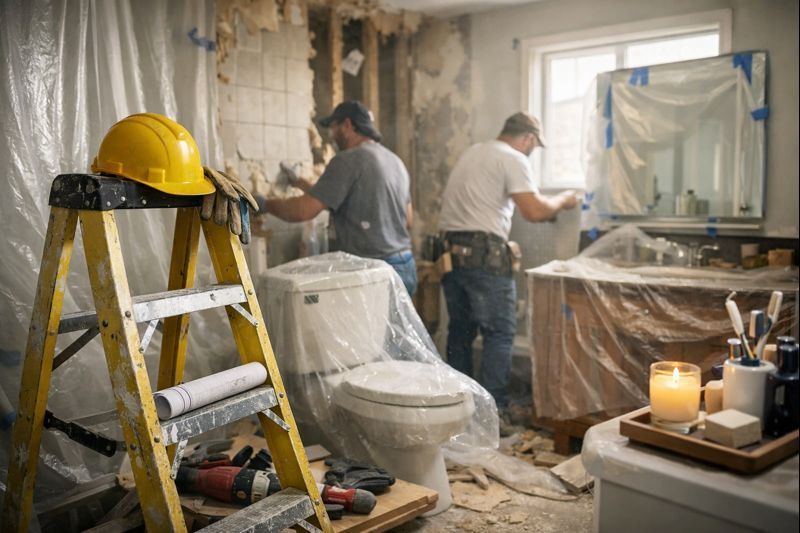
Step Four: Removal of Existing Materials
The old bathroom is carefully removed.
This includes:
-Tubs or showers
-Tile
-Flooring
-Vanities
-Fixtures
-This stage often reveals hidden issues behind walls or floors, which is common in older New Jersey homes.
Step Five: Installation and Construction
After removal, the new bathroom begins to take shape.
This stage may involve:
-Updating plumbing or electrical as needed
-Installing new walls or surfaces
-Setting new tubs or showers
-Installing flooring and vanities
-Finishing fixtures and details
-Progress becomes visible during this phase, which many homeowners find reassuring.
How MD Contracting Approaches Bathroom Remodels
At MD Contracting, we focus on planning and communication.
Our approach includes:
-Clear explanations before work begins
-Realistic timelines
-Respect for the home
-Clean and organized job sites
-We believe homeowners should understand what is happening at each stage of the remodel.
Common Homeowner Questions
Will I be without a bathroom during the remodel?
In many cases, yes, for a short period. Planning helps minimize disruption, especially in single-bathroom homes.
Do all bathroom remodels take the same amount of time?
No. Timelines depend on scope, layout changes, and material choices.
Can I change plans once work starts?
Small changes may be possible, but planning ahead helps avoid delays and added cost.
When to Start the Process?
Homeowners often begin the process when:
-The bathroom feels outdated
-Repairs are becoming frequent
-Water damage is present
-Functionality no longer meets daily needs
In areas like Summit, Berkeley Heights, Watchung, and Martinsville, older bathrooms often benefit from thoughtful remodeling.
Conclusion
A bathroom remodel follows a clear, step-by-step process.
Understanding that process removes much of the uncertainty homeowners feel.
With proper planning and communication, bathroom remodeling can be a manageable and rewarding experience.
If you’re considering updating your bathroom, knowing what the process looks like is the first step toward making informed decisions.
M&D Contracting, NJ Blog