What Happens When Gutters Aren't Draining Properly
Why poor gutter drainage can quietly cause problems for New Jersey homes — and what homeowners should watch for.
What Happens When Gutters Aren’t Draining Properly
When gutters aren’t draining the way they should, the signs aren’t always dramatic. In many cases, the system is still mostly working, which makes issues easy to overlook.
For homeowners in New Jersey — including areas like Bridgewater and Scotch Plains — drainage problems are common after heavy rain, snow, and freeze–thaw cycles.
Understanding what poor gutter drainage can lead to helps homeowners address problems early, before damage builds quietly over time.
Why Proper Gutter Drainage Matters
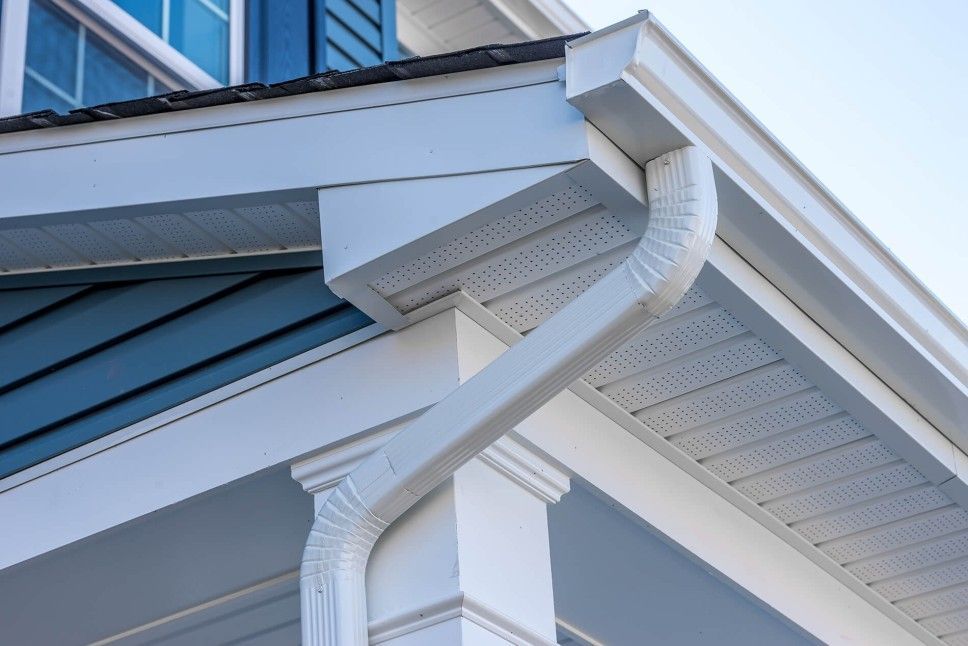
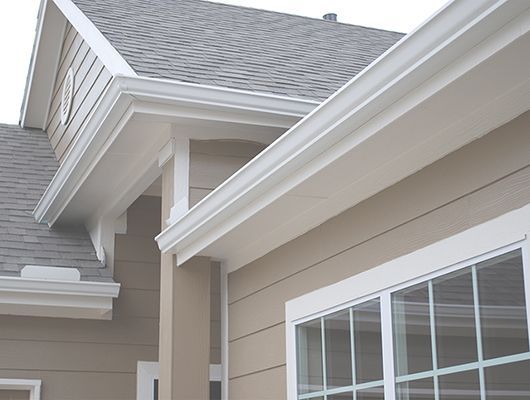
Your gutter system is designed to collect rainwater and move it safely away from your home.
When drainage works correctly, gutters help:
- Keep water off siding and trim
- Prevent pooling near the foundation
- Protect landscaping and walkways
- Reduce moisture around basements and crawl spaces
When drainage fails, water begins to affect parts of the home that were never meant to handle it.
Common Reasons Gutters Don’t Drain Properly
Clogged Gutters or Downspouts
One of the most common causes of poor drainage is blockage.
Typical buildup includes:
- Leaves and twigs
- Roof granules
- Pine needles
- Ice or compacted debris
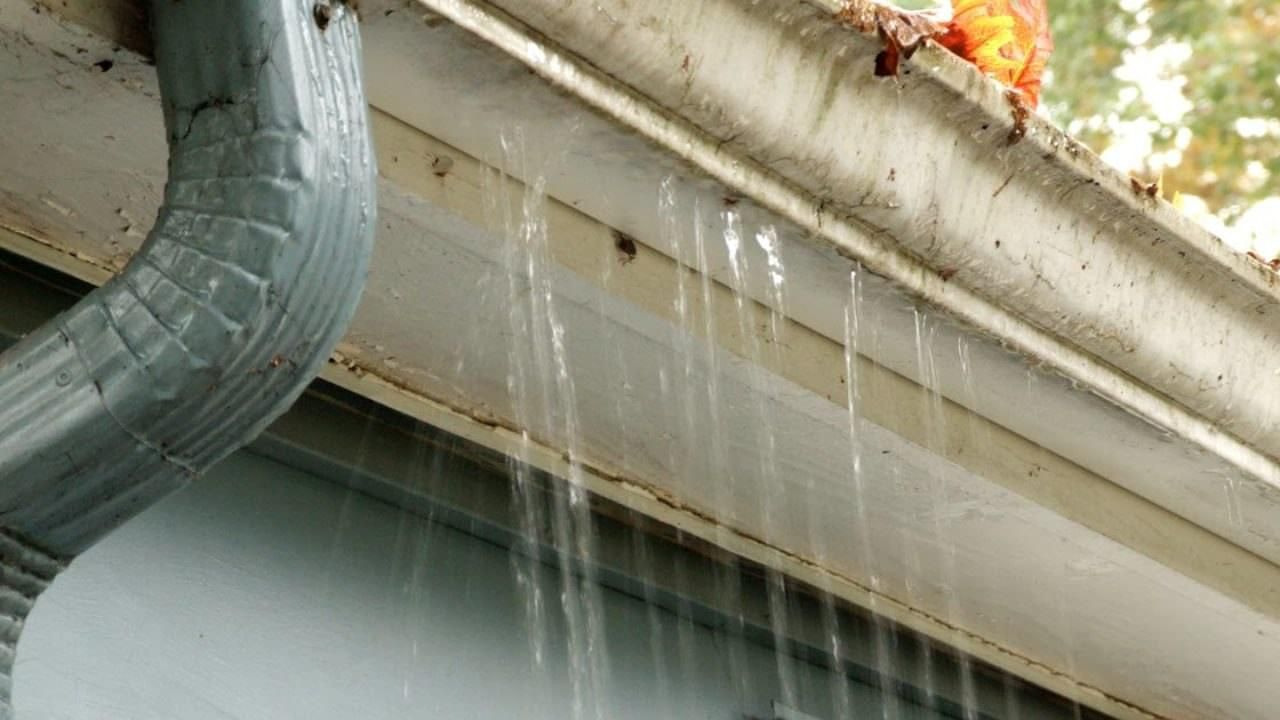
Even partial clogs can slow water flow enough to cause overflow during rain.
Improper Gutter Pitch
Gutters rely on a slight slope to move water toward downspouts.
Drainage problems can occur when:
- Gutters were installed without proper pitch
- Sections have shifted over time
- Fasteners have loosened
Without correct slope, water can sit in the gutter instead of flowing out.
Warped or Aging Gutters
As gutters age, materials can weaken.
Signs of warping include:
- Standing water after rain
- Sections that look uneven
- Gutters pulling away from the fascia
Warped gutters often struggle to move water efficiently, even when they appear clean.
Undersized Gutter Systems
Some older homes were built with smaller gutter systems that may not handle today’s heavier rain events.
When gutters are undersized, you may notice:
- Overflow during moderate rain
- Water spilling over edges despite no clogs
In these cases, drainage issues are related to capacity, not maintenance.
What Poor Drainage Can Lead To
When water isn’t directed away from the home, several issues can develop over time.
Foundation and Basement Concerns
Poor drainage can result in:
- Water pooling near the foundation
- Increased basement moisture
- Long-term structural stress
These problems often develop slowly and aren’t immediately visible.
Siding, Fascia, and Trim Damage
Overflowing or backed-up gutters can:
- Saturate siding
- Cause fascia and trim rot
- Lead to peeling paint and stains
Once moisture reaches these areas, repairs become more involved.
Landscape and Walkway Damage
Improper drainage may also affect:
- Washed-out mulch and soil
- Erosion around walkways
- Slippery conditions near entrances
These are often early warning signs of a larger drainage issue.
How Drainage Issues Are Typically Addressed
Solutions depend on the cause of the problem.
Common approaches include:
- Clearing debris and blockages
- Adjusting gutter pitch
- Replacing warped or damaged sections
- Upgrading to a properly sized system
In some cases, gutter replacement provides a more reliable long-term solution than repeated repairs.
The MD Contracting Approach
At MD Contracting, we look at drainage as part of your home’s overall water management system.
When evaluating gutter drainage, we assess:
- How water moves across the roof
- Gutter slope and attachment
- Downspout placement
- Where water exits near the foundation
Our goal is to explain what’s happening clearly, without pressure, and help homeowners decide what makes sense for their home.
Common Homeowner Questions
Is overflowing always caused by clogs?
Not always. Pitch, capacity, and aging materials can all affect drainage.
Can drainage issues cause foundation damage?
Over time, improper water management can contribute to foundation and basement concerns.
Is gutter replacement always necessary?
No. Some issues can be corrected with adjustments or repairs, depending on the condition of the system.
Final Thoughts
Gutter drainage issues often start small and build gradually.
Recognizing the signs early allows homeowners to address problems before they affect other parts of the home.
A simple evaluation can provide clarity and help ensure water is moving where it should, safely away from the house.
M&D Contracting, NJ Blog