How Do You Know When Your Gutters Need to Be Replaced?
Simple signs New Jersey homeowners can look for before small issues turn into bigger problems.
How Do You Know When Your Gutters Need to Be Replaced?
Most homeowners don’t think about their gutters very often. When they’re working properly, they quietly do their job without drawing attention to themselves.
Gutter problems usually don’t show up all at once. They develop slowly and are easy to overlook.
If you own a home in New Jersey — especially in areas like Bridgewater or Scotch Plains — knowing the early warning signs can help you avoid larger, more expensive issues later.
Why Gutters Matter More Than You Think
Your gutter system plays a major role in protecting your home.
When gutters are functioning correctly, they help:
-Direct rainwater away from the roof
-Protect siding and trim from constant moisture
-Prevent water from pooling near the foundation
-Reduce soil erosion around the home
-Limit the risk of basement moisture
When gutters fail, water doesn’t disappear. It ends up where it shouldn’t.
Common Signs Your Gutters May Need to Be Replaced
-Visible Cracks, Holes, or Splits
-You may notice:
-Hairline cracks
-Small holes
-Seams pulling apart
-Previous patch repairs
Even small openings allow water to escape. Over time, these areas usually worsen, especially with New Jersey’s freeze–thaw cycles.
If cracks or holes appear in multiple places, replacement is often more reliable than repeated repairs.
Sagging or Pulling Away From the House
Gutters should sit straight and secure along the roofline.
Warning signs include:
-Sections sagging or dipping
-Gutters pulling away from fascia
-Fasteners no longer holding securely
This often happens due to:
Age and material fatigue
Heavy debris buildup
Snow and ice weight during winter
Once gutters lose proper pitch or alignment, drainage becomes unreliable.
Peeling Paint or Rust Stains
Look closely near the roofline and along the gutter itself.
Common indicators include:
-Peeling or bubbling paint
-Rust streaks or discoloration
-Stains on siding beneath gutters
These signs typically indicate long-term moisture exposure and ongoing water overflow.
Water Overflowing During Rain
During rainfall, gutters should capture and move water efficiently.
If you notice:
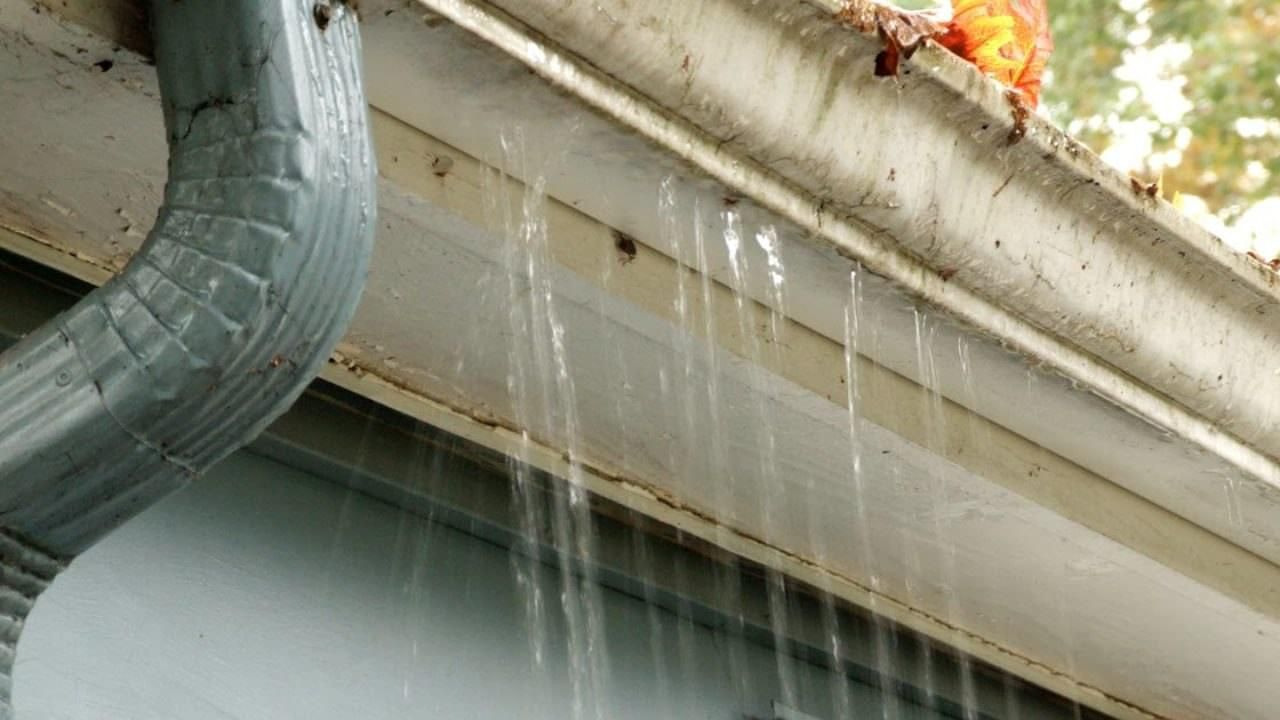
-Water spilling over the front edge
-Water pouring behind the gutter
-Heavy splashing near the foundation
The cause may be:
-Warped or undersized gutters
-Incorrect pitch
-Aging sections that no longer hold shape
If gutters are clean and still overflowing, replacement is often the best solution.
Pooling Water Near the Foundation
After rain, check the ground near your home.
Red flags include:
-Puddles forming near the foundation
-Washed-out soil or mulch
-Consistently damp areas around the home
One of the main purposes of gutters is to move water away from the base of the house. When this doesn’t happen, foundation and basement issues can follow over time
Can Gutters Be Repaired Instead?
In some cases, repairs are possible.
Minor issues may include:
-A single loose hanger
-A small clog
-One isolated seam issue
However, replacement is often recommended when:
-Problems appear in multiple areas
-Repairs have been attempted before
-Gutters are nearing the end of their lifespan
Many older sectional gutter systems eventually reach a point where replacement provides better protection and peace of mind.
Why Many NJ Homeowners Choose Seamless Gutters
Seamless gutters are custom-formed to fit your home.
Key advantages include:
-Fewer joints and seams
-Reduced leak potential
-Improved water flow
-Cleaner exterior appearance
-Lower long-term maintenance
For homes in Union and Somerset counties, seamless gutters often perform better through heavy rain, snow, and seasonal weather changes.
The MD Contracting Approach
At MD Contracting, we view gutters as part of your home’s full protection system.
When evaluating gutters, we look at:
-Overall drainage patterns
-Proper slope and alignment
-Attachment to fascia and roof edge
-How water moves away from the foundation
We explain what we see clearly and honestly. If replacement isn’t needed, we’ll say so.
Common Homeowner Questions
How long do gutters usually last?
Most gutter systems last between 15 and 25 years, depending on material, installation quality, and maintenance.
Should gutters be replaced when replacing a roof?
Not always, but it’s a good time to evaluate both systems together.
Do gutter guards eliminate maintenance?
They can reduce debris buildup, but proper installation and drainage are still essential.
Final Thoughts
Gutter problems rarely start as emergencies. They build gradually over time.
Knowing what to look for allows homeowners to make informed decisions before small issues turn into larger ones.
A simple evaluation can often provide clarity, without pressure or obligation.
M&D Contracting, NJ Blog