Seamless Gutters vs Sectional Gutters: What NJ Homes Really Need
A clear breakdown to help New Jersey homeowners choose the right gutter system for long-term protection.
Seamless Gutters vs Sectional Gutters: What NJ Homes Really Need
When it’s time to replace gutters, many homeowners are surprised to learn there are different types of systems available. The most common options are sectional gutters and seamless gutters.
For New Jersey homeowners — including those in Bridgewater and Scotch Plains — understanding the difference can make it easier to choose a system that offers reliable protection and fewer long-term issues.
What Are Sectional Gutters?
Sectional gutters are made from multiple pre-cut pieces that are joined together during installation.
They are typically:
- Installed in short sections
- Connected with seams and joints
- Available at many home improvement stores
Because of the number of joints involved, sectional gutters rely heavily on sealants to keep water from leaking.
Pros and Cons of Sectional Gutters
Potential Benefits
Sectional gutters may:
- Cost less upfront
- Be easier to replace one section at a time
- Work for smaller or simpler rooflines
Common Drawbacks
Homeowners often experience:
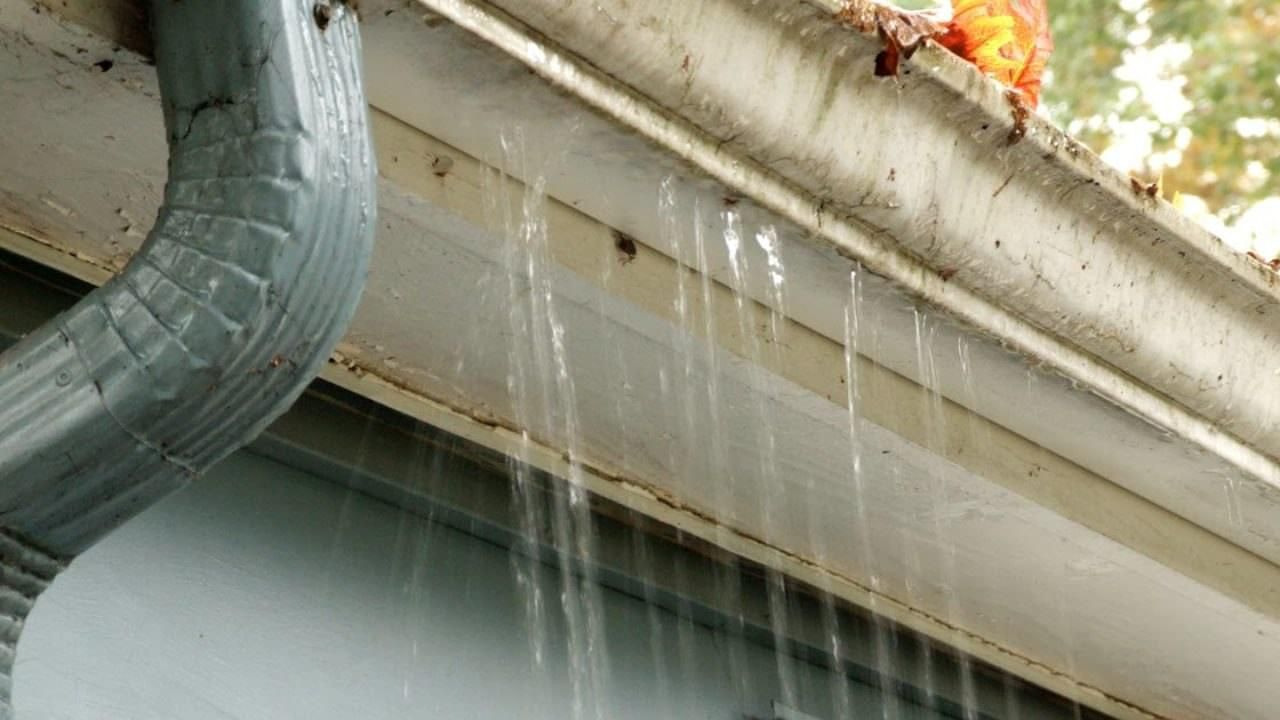
- Leaks at seams over time
- Sealant failure due to weather
- More frequent maintenance needs
- Shorter overall lifespan
In New Jersey’s climate, freeze–thaw cycles can cause seams to expand and contract, which increases the chance of leaks.
What Are Seamless Gutters?
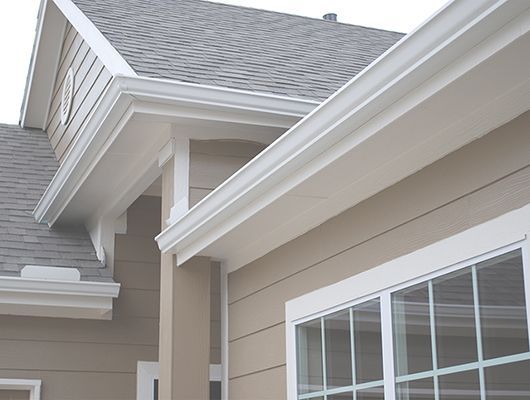
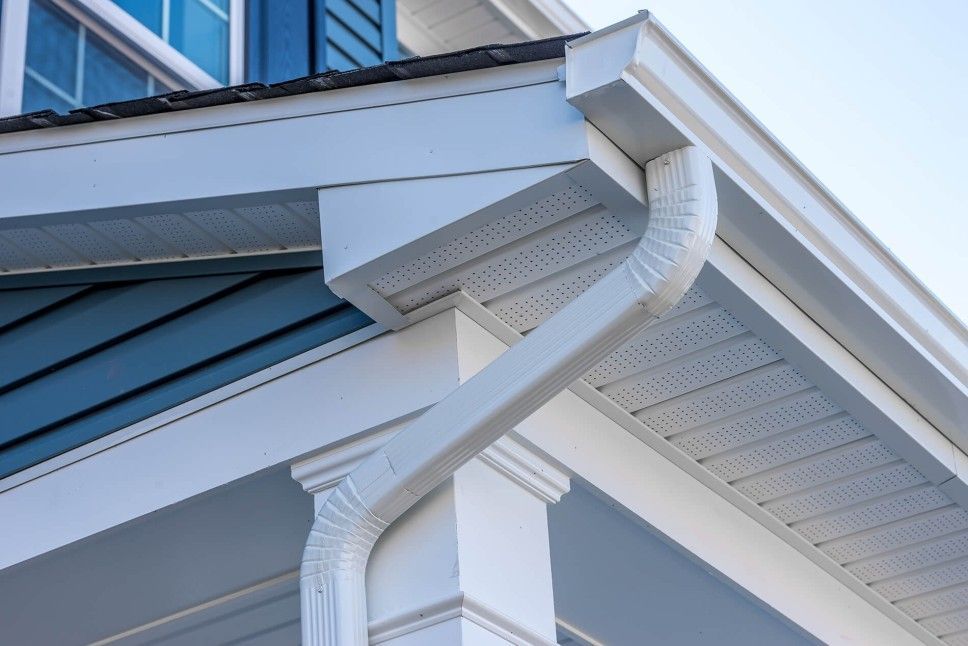
Seamless gutters are custom-formed on site to fit your home exactly.
They are:
- Made from a single continuous piece
- Cut to the precise length of each roofline
- Installed with minimal joints
Because there are fewer seams, seamless gutters reduce the most common points of failure.
Pros and Cons of Seamless Gutters
Key Advantages
Seamless gutters often provide:
- Fewer leaks
- Better overall drainage
- Cleaner exterior appearance
- Lower long-term maintenance
- Longer system lifespan
Things to Consider
While seamless gutters offer many benefits, homeowners should know:
- Installation requires professional equipment
- Upfront cost is typically higher than sectional systems
For many homeowners, the reduced maintenance and added reliability make the investment worthwhile.
How NJ Weather Impacts Gutter Performance
New Jersey homes experience:
- Heavy spring rain
- Summer storms
- Falling leaves in autumn
- Snow and ice during winter
These conditions put stress on gutter systems, especially at seams and joints.
Homes in areas like Union and Somerset counties often benefit from gutter systems designed to handle seasonal changes without constant repairs.
Which Gutter System Is Right for Your Home?
The right choice depends on several factors, including:
- Roof size and layout
- Amount of surrounding trees
- Age of the home
- Long-term maintenance preferences
Some homeowners prioritize lower upfront cost. Others prefer durability and peace of mind.
A professional evaluation can help determine which system fits your home best.
The MD Contracting Approach
At MD Contracting, we help homeowners understand their options clearly.
When discussing gutter systems, we look at:
- Roofline design
- Drainage patterns
- Long-term performance
- Maintenance expectations
Our goal is to recommend a solution that makes sense for your home — not one-size-fits-all advice.
Common Homeowner Questions
Do seamless gutters completely eliminate leaks?
No system is completely leak-proof, but seamless gutters greatly reduce the most common leak points.
Are seamless gutters worth the cost?
For many homeowners, fewer repairs and lower maintenance make them a smart long-term investment.
Can seamless gutters be added to older homes?
Yes. Seamless gutters can be custom-fit to most homes, including older properties.
Final Thoughts
Choosing the right gutter system plays an important role in protecting your home.
Understanding the difference between sectional and seamless gutters helps homeowners make confident, informed decisions.
With the right system in place, gutters can quietly do their job — keeping water away from where it doesn’t belong.
M&D Contracting, NJ Blog