Signs Your New Jersey Roof May Need Attention
What Union and Somerset County homeowners should look for

Many roof problems in New Jersey start quietly.
A small issue can exist long before a leak appears inside the home.
Homeowners in Union County and Somerset County often ask how to tell if their roof needs attention.
The good news is that roofs usually show warning signs before major damage occurs.
Knowing what to look for helps homeowners act early and avoid costly repairs.
Why Early Warning Signs Matter
Roofs protect your entire home.
When issues are ignored, water can damage insulation, ceilings, walls, and framing.
Catching problems early can:
Reduce repair costs
Prevent interior damage
Extend roof lifespan
Avoid emergency situations
Many homes in towns like Westfield, Scotch Plains, Fanwood, Bridgewater, and Warren have roofs that are 20 years old or more. That makes routine observation even more important.
Why New Jersey Weather Accelerates Roof Wear
New Jersey roofs face a wide range of weather conditions throughout the year.
Hot summers, freezing winters, heavy rain, snow, and strong winds all contribute to roof wear over time.
In winter, freeze and thaw cycles can loosen shingles and flashing.
In summer, prolonged heat can dry out roofing materials and reduce flexibility.
Storms can lift shingles or damage vulnerable areas like valleys and flashing.
Homes in Union and Somerset County often experience these conditions year after year. Even well-installed roofs can show signs of wear sooner because of this constant exposure. This is why regular observation and timely evaluations matter for NJ homeowners.
Common Signs Your Roof May Need Attention
Missing or Damaged Shingles
Shingles that are cracked, curling, or missing leave your roof exposed.
This is one of the most common warning signs homeowners notice.
Even a small section of missing shingles can allow water to enter.
Water Stains or Discoloration Indoors
Stains on ceilings or walls often indicate moisture intrusion.
These stains may appear far from where the roof issue actually exists.
This is often one of the first signs homeowners notice after heavy rain and is commonly linked to roof leaks and roof repairs that start small and worsen over time.
Granules in Gutters or Around the Home
As shingles age, they shed granules.
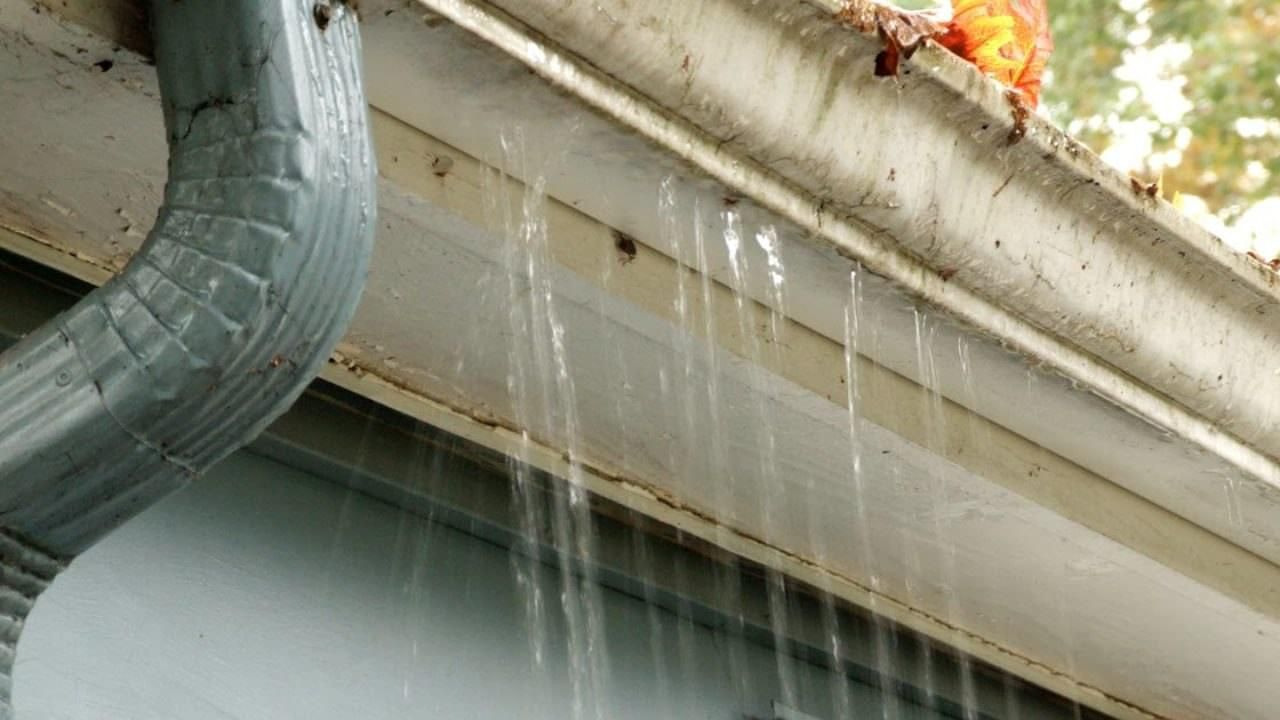
Excessive granules in gutters or at the base of downspouts may signal roof wear.
This is common on older asphalt shingle roofs.
Sagging or Uneven Roof Areas
A sagging roofline may indicate underlying structural or decking concerns.
This should be evaluated promptly.
Sagging does not always mean replacement is required, but it should never be ignored.
Recurring Roof Leaks
Leaks that return after repairs often indicate deeper issues.
In these cases, homeowners may need to evaluate whether continued repairs make sense.
How MD Contracting Evaluates Roof Issues
At MD Contracting, we focus on clarity, not pressure.
Our evaluations are designed to:
-Identify visible and hidden issues
-Explain findings in plain language
-Outline realistic options
-Help homeowners prioritize next steps
Sometimes a roof needs a simple repair.
Other times, replacement is the more practical long-term solution.
Our goal is to help homeowners understand the difference.
Common Homeowner Questions
Does every roof issue mean replacement?
No. Many problems can be repaired when caught early.
Understanding the difference between roof repair vs roof replacement helps homeowners avoid unnecessary work.
Should I wait until my roof leaks?
Waiting often leads to interior damage.
It’s better to address warning signs before water enters the home.
How often should my roof be inspected?
Most homeowners benefit from inspections every few years, especially after storms or as the roof ages.
When You Should Schedule a Roof Evaluation
Homeowners should consider a professional evaluation if:
The roof is over 20 years old
Shingles are visibly damaged
Interior staining appears
You’ve had repeated repairs
Storm damage has occurred
In areas like Summit, Berkeley Heights, Watchung, and Martinsville, weather exposure can accelerate roof wear.
Many homeowners also use our roof cost calculator to get a general idea of pricing before scheduling an evaluation.
Conclusion
Roof problems rarely appear overnight.
Most give warning signs before serious damage occurs.
Knowing what to look for allows New Jersey homeowners to stay proactive instead of reactive.
If you’re unsure whether your roof needs attention, a professional evaluation can provide clear answers and peace of mind.
M&D Contracting, NJ Blog